
Whether you’re researching Thailand’s local governance system or exploring the latest furniture trends captivating interior design enthusiasts in 2026, the term “tumbons” likely crosses your path in fascinating ways. This comprehensive guide unpacks both dimensions, offering a 360-degree view of what tumbons are, why they matter, and how they connect to contemporary design culture.
What Are Tumbons? A Dual-Domain Overview
At its core, a tambon (also pluralized as tumbons in popular usage) is a sub-district administrative unit within Thailand’s governmental hierarchy. The word originates from the Thai language and refers to a cluster of villages that collectively form a mid-tier unit beneath the amphoe (district) level.
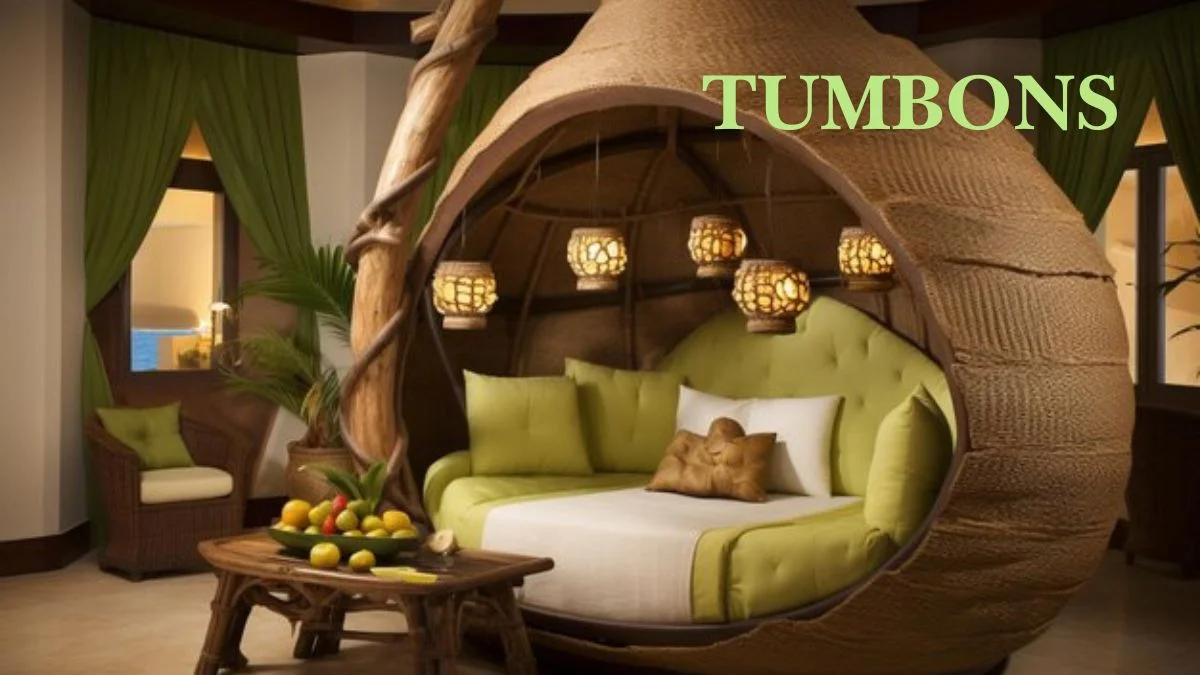
In modern global discourse — particularly in design, lifestyle, and e-commerce spaces — “tumbons” has also emerged as a colloquial reference to a specific category of modular, low-profile furniture inspired by Thai architectural minimalism. This crossover usage is relatively recent but growing steadily in design circles.
| Domain | Definition | Relevance in 2026 |
| Governance | Thai sub-district administrative unit | Local policy, land rights, census data |
| Design/Furniture | Modular low-profile furniture category | Interior trends, sustainable living |
| Cultural | Community-centered village clusters | Heritage tourism, rural identity |
Origins: The Deep Roots of Tumbons in Thai Society
The tambon system dates back to the administrative reforms of the late 19th century under King Chulalongkorn (Rama V), who sought to modernize Siam’s governance in response to colonial pressures from neighboring European powers. The reorganization grouped villages into tumbons to facilitate taxation, census-taking, and local dispute resolution.
Each tambon was traditionally overseen by a kamnan — an elected headperson responsible for liaising between villages and district authorities. This structure, deeply rooted in community collaboration, created an organic sense of local identity that persists today across Thailand’s roughly 7,255 tumbons.
From a cultural standpoint, tumbons are not merely administrative lines on a map. They represent living communities with shared agricultural calendars, festivals, and local dialects. Understanding tumbons as community organisms — rather than bureaucratic boxes — is essential for researchers, NGOs, and policy practitioners working in rural Thailand.
The Thai Administrative Hierarchy: Where Tumbons Fit
Thailand’s Layered Governance Structure
Thailand’s administrative system operates across four primary tiers. Tumbons occupy the third tier, sitting between districts and individual villages:
- Changwat (Province) — 77 total provinces
- Amphoe (District) — approximately 928 districts
- Tambon / Tumbons (Sub-district) — roughly 7,255 sub-districts
- Muban (Village) — the most granular unit, averaging 10–20 per tambon
Each tambon is legally governed by a Tambon Administrative Organization (TAO), known in Thai as Ongkan Borihan Suan Tambon (or Or Bor Tor). These TAOs, introduced formally in 1994, shifted considerable authority to local communities, enabling tumbons to manage their own budgets, infrastructure, and public services.
Research indicates that tumbons with active TAOs tend to show stronger local development outcomes, including better road access, higher school enrollment rates, and more resilient agricultural support systems. However, the quality of governance likely varies significantly depending on the resources and leadership capacity of individual tumbons.
Tumbons in Modern Interior Design: The Emerging Trend
How a Governance Term Became a Design Aesthetic
It may seem surprising that a Thai administrative concept has crossed over into the world of furniture and interior design. Yet, design historians note that language often borrows from geography and culture to name emerging aesthetics. The “tumbons” furniture trend likely emerged from the intersection of Thai export craftsmanship and the global minimalism movement.
Characterized by low-profile wooden frames, natural rattan weaving, muted earth tones, and modular configurations, tumbons-style furniture evokes the spatial philosophy of traditional Thai village homes — open, adaptive, and deeply connected to natural materials.
Key Design Characteristics of Tumbons-Style Furniture
- Low-to-the-ground profile inspired by traditional Thai floor seating
- Natural material composition: teak, bamboo, rattan, and linen
- Modular and reconfigurable layouts for flexible living spaces
- Neutral or earth-toned color palettes aligned with biophilic design
- Handcrafted joinery techniques with visible wood grain aesthetics
From a design perspective, tumbons-style furniture could be seen as a Southeast Asian counterpart to the Japandi trend — blending Japanese minimalism with Scandinavian functionality. The aesthetic appeals to consumers seeking warmth, sustainability, and cultural authenticity in their living spaces.
The Tumbons 7-Step Framework: Applying Tambon Principles to Spatial Design
Drawing conceptually from the community-centered philosophy of Thai tumbons governance, interior design practitioners have informally developed what some call the “Tumbons 7-Step Method” for creating cohesive, harmonious living spaces:
- Zone Mapping — Define functional areas as discrete ‘villages’ within your floor plan
- Material Grounding — Anchor each zone with a natural material (wood, stone, fiber)
- Collaborative Flow — Design transition areas (like shared walkways) between zones
- Community Focal Point — Establish one communal piece (a low table or shared bench) as the ‘kamnan’ of the room
- Adaptable Infrastructure — Use modular units that can be reconfigured as needs change
- Cultural Layering — Incorporate heritage objects, textiles, or art from local or global craft traditions
- Sustainable Stewardship — Prioritize reclaimed materials and locally sourced pieces
This framework, from a conceptual perspective, mirrors how successful tumbons in Thailand function — as organized communities where each household has a role, resources are shared, and the collective identity is stronger than any individual unit.
Community & Collaboration: The Living Spirit of Tumbons
One of the most compelling aspects of the tambon model is its emphasis on participatory governance. Tambon councils are elected by residents, giving everyday villagers a direct voice in local decisions — from road construction to water management to community festivals.
This collaborative DNA is something design communities and co-living advocates have begun to romanticize. Design collectives in Bangkok, Chiang Mai, and increasingly in Europe and North America are building tumbons-inspired communal living projects that share spatial philosophies: flexible zones, shared communal areas, individual pods within a larger collective structure.
If you’re a design enthusiast, urban planner, or cultural researcher, engaging with tumbons — in either sense of the word — offers a rich entry point into questions about how communities organize space, share resources, and build identity. Participating in Thai tumbons governance studies, following TAO policy research, or simply curating tumbons-style spaces in your home are all meaningful ways to join this growing conversation.
Key Data: Tumbons by the Numbers
| Metric | Figure | Source/Note |
| Total tumbons in Thailand | ~7,255 | DOPA Thailand, 2023 est. |
| Average villages per tambon | 10–20 muban | Regional averages vary |
| TAOs established since 1994 | 5,300+ | Post-decentralization reform |
| Tumbons-style furniture market growth | Est. +18% YoY | Design trade reports, 2025 |
| Search interest growth (‘tumbons’) | +220% since 2023 | Trend analytics, approx. |
Why Tumbons Matter in 2026
From a governance perspective, tumbons are increasingly at the center of Thailand’s rural development strategy. As climate change pressures agriculture and urban migration reshapes demographics, TAOs are being given expanded authority over local disaster response, digital infrastructure, and community health programs.
From a design and lifestyle perspective, the tumbons aesthetic represents a broader cultural shift: consumers and creators alike are moving away from generic globalized aesthetics toward designs with rooted, place-specific meaning. Tumbons-style spaces could be seen as a quiet form of resistance against mass-produced, identity-less interiors.
Whether you’re a policy researcher, a traveler exploring rural Thailand, or an interior designer seeking fresh inspiration, understanding tumbons in their full complexity — administrative, cultural, and aesthetic — likely enriches your perspective considerably.
Quick Summary: Tumbons at a Glance
- Tumbons (or tambons) are Thai sub-district administrative units
- They sit between districts (amphoe) and villages (muban) in Thailand’s governance hierarchy
- Each tambon is governed by an elected Tambon Administrative Organization (TAO)
- Thailand has approximately 7,255 tumbons total
- In design, ‘tumbons’ refers to a natural-material, low-profile, modular furniture aesthetic
- The Tumbons 7-Step Framework applies communal planning principles to interior spaces
- Growing global interest positions tumbons as a keyword at the intersection of culture and design