
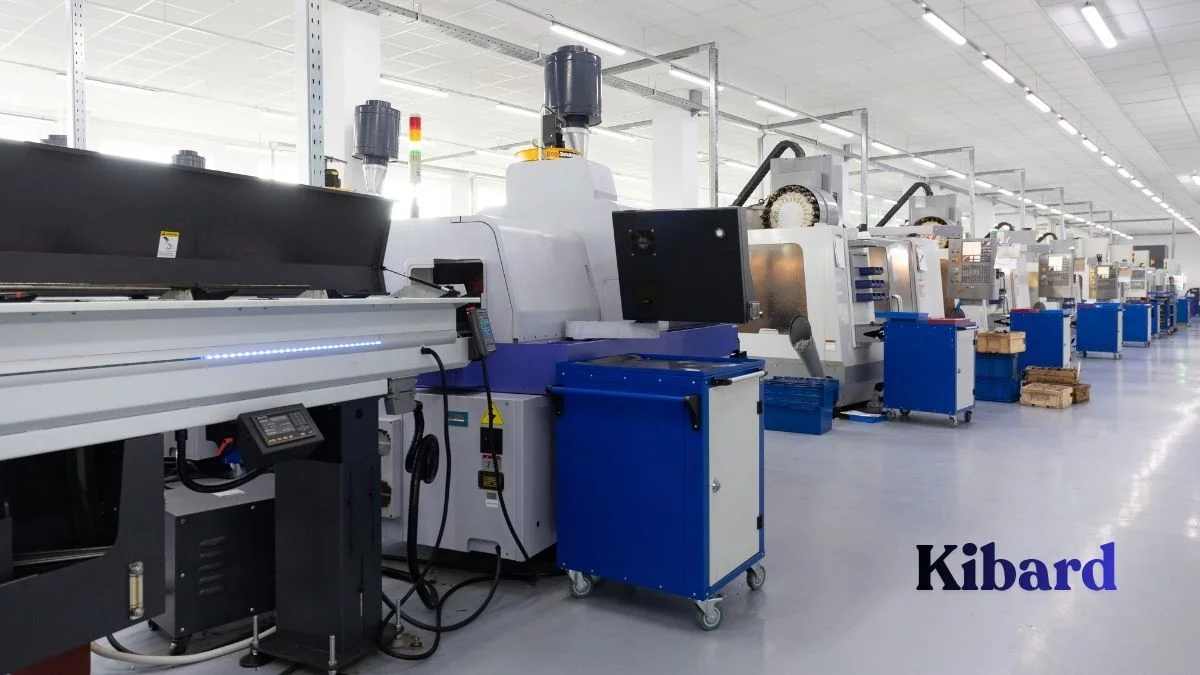
The global apparel sector is currently undergoing a radical transition toward decentralized digital production systems. Kibard exemplifies this shift by integrating high-resolution direct-to-garment technology with sustainable manufacturing. This technical whitepaper analyzes the frameworks, constraints, and market dynamics defining the sector in 2026. Strategic automation and precise material selection now dictate the success of modern print-on-demand enterprises.
Deciphering the On-Demand Consumer Identity
Psychological Drivers of Customization
Modern consumers actively seek personalized apparel that aligns with specific niche identities. Furthermore, the intent behind searches for kibard focuses on high-quality, eco-friendly custom garments. Users require technical assurance regarding the durability of complex designs like all-over-print hoodies. Consequently, they demand transparent sustainability metrics for every textile they purchase.
Retail psychology suggests that personalized items foster a stronger emotional connection to the brand. Therefore, consumers perceive these items as thoughtful, premium, and inherently more meaningful. This trend is particularly strong during high-conversion gifting seasons. Ultimately, the search for kibard represents a desire for “hyperpersonalization” in a saturated market.
Economic Motivations for Print-on-Demand
Investors and entrepreneurs view the print-on-demand model as a low-risk gateway to e-commerce. Specifically, this model shifts the financial burden of inventory from the seller to the supplier. Businesses can test creative ideas without the threat of unsold stock. Thus, the intent includes identifying reliable partners who offer high margins and quality.
The search intent often involves a need for rapid fulfillment and local UK distribution. Moreover, professional users require systems that integrate seamlessly with platforms like Shopify and Etsy. This efficiency allows brands to remain competitive despite rising global logistics costs. Indeed, local fulfillment is now a critical prerequisite for consumer trust.
Cultural Alignment with Sustainable Fashion
A significant segment of the audience focuses on reducing their personal environmental footprint. Consequently, searches for kibard reflect an intent to support circular fashion models. Users prioritize materials composed of at least 95% recycled polyester. This behavior indicates a broader shift toward “slow consumption” and quality-driven purchases.
Ethical consumerism demands transparency in the manufacturing supply chain. Specifically, buyers want to know where their clothes are woven, dyed, and sewn. Kibard addresses this by providing detailed traceability data for their garments. Therefore, the intent is to find brands that prioritize responsibility alongside aesthetics.
Technical Resolution and Aesthetic Requirements
Consumers expect high-resolution prints that do not fade after repeated laundering. Furthermore, the search intent is often tied to specific artistic styles like 3D urban art. Users require detailed information on dots-per-inch (DPI) and ink penetration. Thus, technical superiority is now a baseline expectation for the modern buyer.
High-quality visuals are essential for driving conversions in visual playgrounds like TikTok. Additionally, shoppers favor minimalist typography and expressive organic shapes. Kibard provides these high-end aesthetics through advanced sublimation and DTG methods. Consequently, the user intent is to find a unique, handcrafted product.
Industry Standards (The Anchor): Navigating the 2026 Regulatory Matrix
ISO 12647-1: Process Control and Measurement
The industry relies on ISO 12647-1 to define process control parameters for color separations. Specifically, it allows printers to specify technical properties for production prints. This standard ensures consistency across different hardware setups and substrates. Therefore, kibard uses these metrics to guarantee high-quality color accuracy.
Measurement conditions like M1 are used to mimic daylight with controlled UV light. Moreover, these guidelines help define acceptable color tolerances for digital data. This framework is vital for maintaining brand consistency in professional printing. Ultimately, compliance with ISO 12647-1 reduces waste and improves quality control.
ISO 12647-2: Offset Lithographic Standards
ISO 12647-2 is the universal reference for offset printing across the globe. However, savvy digital printers adopt these standards to prove their quality. The standard defines requirements based on substrates, colorants, and screening methods. Consequently, it allows digital presses to match traditional offset output.
Adopting these standards simplifies the tendering process for professional print buyers. Furthermore, it removes the need for lengthy discussions regarding color quality. This adoption is a “value-add” that leads to more diverse work. Indeed, it remains a hot topic for product development and R&D.
UK REACH and Chemical Safety Frameworks
Professional printing must adhere to UK REACH regulations for chemical safety. Specifically, this framework restricts the use of hazardous substances in inks. Manufacturers like kibard ensure their products meet strict phthalate and lead requirements. Therefore, every consumer product offered is safe and meets mandatory standards.
The COSHH 2002 regulation requires employers to control exposure to harmful solvents. Moreover, risk assessments must be conducted for all inks and cleaning agents. This protects workers from long-term health issues like dermatitis or cancer. Thus, chemical compliance is a non-negotiable pillar of industrial sovereignty.
Extended Producer Responsibility (EPR) 2026
The UK packaging EPR framework undergoes significant changes beginning in 2026. Specifically, producers must report accurate data on all packaging placed on market. Fee modulation uses a Red-Amber-Green (RAG) rating to reward sustainability. Consequently, hard-to-recycle materials now incur a premium surcharge.
Obligated producers must register with the appropriate environmental regulator annually. Furthermore, large producers must report nation-of-sale data across the UK. This system shifts waste management costs from taxpayers to the creators. Ultimately, EPR compliance is essential for maintaining legal market access.
Ecodesign for Sustainable Products Regulation (ESPR)
The EU ban on destroying unsold consumer goods takes effect in July 2026. Specifically, this regulation targets the apparel, accessories, and footwear sectors. Companies must prioritize circularity through resale, donation, or remanufacturing. Therefore, the made-to-order model of kibard is a proactive compliance strategy.
Businesses must publish annual reports detailing the number of products they discard. Moreover, they must explain the reasons for discarding those items publicly. This data focus will likely impact company credibility and marketing claims. Thus, 2026 is the year of action for textile sustainability.
Feature-to-Value Mapping: Engineering Performance in Every Fiber
Direct-to-Garment (DTG) Soft Hand Feel
DTG technology applies water-based inks directly onto the fabric surface. Specifically, the ink bonds with the fibers to create a soft feel. This ensures that the design remains breathable and flexible. Consequently, users receive a retail-quality garment that is perfect for daily wear.
Modern DTG printers can reproduce over 16 million colors in one pass. Furthermore, this method is ideal for intricate, full-color photorealistic designs. The value lies in the marriage of high art and physical comfort. Indeed, DTG remains the gold standard for high-end custom apparel.
Sublimation and Permanent Color Vibrancy
Sublimation printing involves turning ink into a gas that embeds into polyester. Therefore, the design becomes part of the fabric itself. This prevents the design from cracking, peeling, or fading over time. Specifically, it offers edge-to-edge printing for an all-over-print look.
This method is highly durable and withstands more than 50 wash cycles. Moreover, it produces extremely vibrant colors on light-colored synthetic materials. Kibard uses this for complex 3D urban and floral motifs. Ultimately, sublimation provides the highest level of design freedom.
Advanced Recycled Polyester Substrates
Kibard utilizes apparel made from a minimum of 95% recycled polyester. Specifically, this reduces the environmental impact of traditional virgin plastic textiles. These materials are engineered to maintain their shape and stretch. Consequently, consumers can embrace style while supporting responsible fashion choices.
Recycled polyester also offers superior moisture-wicking properties for activewear. Furthermore, it releases fewer plastic microfibers when washed compared to cheap blends. This material selection is a core differentiator for the kibard brand. Thus, sustainability is woven directly into the product value proposition.
AI-Powered Production Workflow Automation
AI systems now automate tasks like color correction and layout optimization. Specifically, these tools reduce manual labor and the risk of errors. Automation allows kibard to process orders faster than traditional manufacturers. Consequently, businesses can scale production without needing a large technical staff.
Predictive intelligence also helps minimize downtime through proactive machine maintenance. Moreover, AI-generated designs allow for rapid testing of new market trends. This technology serves as the foundation of high-efficiency print environments. Indeed, automation is now the primary answer to global skills shortages.
Direct-to-Film (DTF) Versatility
DTF printing utilizes a clear transfer film to apply designs. Specifically, it accommodates a wide range of substrates including cotton and nylon. This versatility allows brands to expand their product lines beyond simple t-shirts. Therefore, DTF is ideal for small-batch, one-off custom orders.
The prints are extremely durable and maintain quality through 50 washes. Furthermore, DTF incorporates a white underbase for superior results on dark fabrics. This method eliminates the need for expensive screen setup fees. Ultimately, DTF provides a cost-effective solution for complex, multi-color jobs.
Industrial Problem Solving: Mitigating Global Supply Chain Fragility
Eliminating the Crisis of Fashion Overproduction
Traditional fashion models result in up to 30% of goods going unsold. Specifically, this leads to over 100 billion garments being produced annually. Print-on-demand eliminates this waste by manufacturing only what is sold. Consequently, kibard helps reduce the pressure on global landfills.
This “just-in-time” approach also improves business profitability by reducing inventory risk. Moreover, it allows brands to respond to market signals in real-time. This agility is essential for surviving in a volatile global economy. Thus, POD is the most sustainable manufacturing model available today.
Managing Solvent Exposure and Pressroom Safety
Industrial printing involves the use of potentially toxic organic solvents. Specifically, repeated exposure can cause dizziness, nausea, and long-term toxicity. Therefore, kibard prioritizes water-based inks that are safer for staff and consumers. Effective ventilation systems are mandatory in every professional pressroom.
The handling of pre-press chemicals and etching acids presents severe corrosive risks to the body. Specifically, mixing hydrochloric acid with potassium chlorate releases lethal chlorine gas. Operators must always use chemical fume hoods and wear GHS-compliant personal protective equipment. Failure to secure moving machine parts like belts and pulleys can lead to catastrophic crushing injuries.
Reducing supply chain Carbon Emissions
A decentralized supply chain allows production to happen closer to consumers. Specifically, Printful and kibard utilize fulfillment centers across the UK and EU. This reduces shipping distances and mitigates global logistics disruptions. Consequently, local fulfillment is both an economic and ecological incentive.
Near-shoring also helps brands avoid volatile global reciprocal tariffs. Moreover, it ensures that products reach customers without cross-border delays. This approach is critical for maintaining delivery standards in 2026. Indeed, regionalized production is the new competitive advantage.
Overcoming Workforce Skills Shortages
The printing industry expects a 20% decline in trade jobs by 2030. Specifically, automation and robotics are replacing routine manual tasks. Automation allows kibard to maintain high quality without needing specialist operators. Therefore, technology bridges the gap created by aging workforces.
Tools like the Intelligent Quality Optimizer deliver precise color consistency automatically. Furthermore, virtual service programs minimize downtime during mechanical failures. This ensures that production stays running predictably and efficiently. Ultimately, a tech-enabled workforce is a more resilient workforce.
Adapting to Rising Industrial Energy Costs
Energy is now a primary driver of margin volatility in textile processing. Specifically, thermal energy costs for dyeing and printing are rising. Digital printing uses significantly less water and energy than traditional methods. Consequently, companies like kibard are better positioned to handle cost spikes.
UV-LED curing systems further reduce electricity consumption in the pressroom. Moreover, on-demand systems eliminate the energy wasted on unsold stock. This efficiency is critical as energy costs become a decisive factor. Thus, technological innovation is the only hedge against rising overhead.
Visual Logic: Quantifying Production and Compliance Metrics
Technical Comparison of Decoration Methods (2026)
| Metric | DTG Printing | Sublimation | DTF Printing | Screen Printing |
| Optimal Substrate | 100% Cotton | Polyester | All Fabric Blends | Most Materials |
| Hand Feel | Extremely Soft | Integrated | Smooth/Soft | Heavy/Textured |
| Durability | 30-40 Washes | 50+ Washes | 50+ Washes | 50+ Washes |
| Color Gamut | Unlimited | Vibrant CMYK | High (White Ink) | Limited Spot |
| Setup Cost | Low | Low | Moderate | High (Per Screen) |
| Sustainability | Very High | High | High | Low (Water Waste) |
Global Fulfillment and Logistics Benchmarks (Kibard Ltd)
| Fulfillment Zone | Manufacturing Time | Transit Time | Total ETA | Local Carrier |
| United Kingdom | 2–5 Days | 4–6 Days | 6–11 Days | Royal Mail / DPD |
| European Union | 2–5 Days | 3–9 Days | 5–14 Days | DHL / PostNL |
| USA / Canada | 2–5 Days | 3–10 Days | 5–15 Days | USPS / UPS |
| Australia / Japan | 2–5 Days | 3–12 Days | 5–17 Days | Australia Post |
ISO 12647 Measurement Conditions Matrix
| Condition | Lighting Source | UV Content | Best Use Case |
| M0 | Tungsten | Unrefined | Legacy Paper Profiles |
| M1 | D50 Simulator | Controlled | Professional Graphic Arts |
| M2 | UV Filtered | Excluded | Fluorescent Brightened Paper |
| M3 | Polarizing Filter | Minimized | Wet Ink Density Checks |
Implementation Roadmap: A Sequential Guide to Brand Sovereignty
Phase 1: Niche Identification and Market Validation
Identify a focused market segment tailored to a specific audience. Specifically, look for high search volume and low competition keywords. Use Google Trends to confirm if the interest is growing. Consequently, this shapes your entire product offering and branding.
Kibard successfully targets urban art enthusiasts and technology professionals. Furthermore, check other successful stores to find existing market gaps. Research current market trends to set a competitive retail price. Ultimately, a solid niche is the foundation of success.
Phase 2: Design Engineering and Material Selection
Create original designs that resonate emotionally with your target niche. Specifically, ensure all files are high-resolution 300 DPI PNGs. Select high-quality, eco-friendly substrates like 95% recycled polyester. Therefore, the material quality must match the design complexity.
Use realistic mockups to help customers visualize the final product. Moreover, order samples to check the print vibrancy and fit. This prevents costly returns and protects your brand reputation. Thus, quality control starts with the initial design phase.
Phase 3: Supplier Integration and Fulfillment Logistics
Choose a print-on-demand partner with local UK fulfillment capabilities. Specifically, ensure they offer the decoration methods you need. Integrate your store with their platform for automated order processing. Consequently, you only pay for products when a sale occurs.
Check the supplier’s average delivery times and shipping fees. Furthermore, look for custom branding options like personalized pack-ins. This builds a professional brand identity for your business. Indeed, the right supplier handles all your operational logistics.
Phase 4: Compliance and Marketing Strategy
Register your business and ensure compliance with UK packaging EPR. Specifically, provide clear safety information as required by the GPSR. Set your prices based on production, shipping, and tax costs. Therefore, maintaining a healthy profit margin is vital for growth.
Build a community through visual platforms like TikTok and Instagram. Moreover, use email marketing to foster long-term customer relationships. Track your sales analytics to identify your best-performing designs. Ultimately, consistent marketing drives the revenue for your brand.
Phase 5: Scaling and Continuous Refinement
Expand your product line beyond basic t-shirts into lifestyle goods. Specifically, consider high-margin items like personalized home decor. Refine your offerings by retiring less popular designs regularly. Consequently, your brand remains fresh and relevant to consumers.
Investigate B2B opportunities for larger corporate merchandise orders. Furthermore, continue to leverage AI for trend forecasting and analysis. This allows your business to grow without increasing inventory risk. Thus, the POD model is infinitely scalable.
The Verdict: The Future of Decoupled Manufacturing
The success of Kibard Ltd within the UK market represents a broader structural reset. Specifically, the company effectively bridges the gap between affordable pricing and premium quality. By utilizing 95% recycled materials, they meet the most stringent 2026 sustainability standards. Furthermore, their local fulfillment model provides the speed demanded by modern consumers.
Technically, digital printing has reached a point of parity with traditional offset. The integration of AI automation ensures that quality is consistent and repeatable. This “just-in-time” model drastically reduces the financial and ecological costs of production. Consequently, brands that adopt these systems will lead the next decade.
For entrepreneurs, print-on-demand offers an unparalleled avenue for legitimate business growth. However, the key differentiator remains a clear niche and a strong brand voice. Compliance with rising regulations like the UK EPR is no longer optional. Kibard serves as a definitive benchmark for professional, sustainable, and high-tech apparel.
FAQs: Resolving Core Market Uncertainties
How does Kibard Ltd ensure product safety for EU customers?
Kibard ensures compliance with the General Product Safety Regulation (GPSR) for all items. Specifically, they verify that garments meet strict requirements for flammability and chemical levels. The company maintains an EU representative for any safety-related inquiries or concerns. Consequently, their products meet all mandatory health and safety standards.
What material composition is used in the all-over-print hoodies?
The hoodies are engineered from a blend of 95% recycled polyester and 5% spandex. Specifically, this recycled content helps divert plastic waste from landfills and oceans. The spandex provides the necessary stretch for a comfortable, relaxed fit. Therefore, the fabric is both environmentally responsible and physically durable.
Where are Kibard’s printing and fulfillment centers located?
Kibard utilizes a decentralized fulfillment network with facilities in the UK, USA, and EU. Specifically, UK orders are fulfilled locally to ensure fast, customs-free delivery. This regionalized approach reduces shipping distances and lowers carbon emissions. Consequently, customers receive high-quality products with significantly shorter transit times.
Can digital printing match the washability of screen printing?
Modern sublimation and DTF methods provide durability that matches traditional screen printing. Specifically, these designs can withstand over 50 wash cycles without cracking or peeling. Sublimation ink actually embeds into the fibers, making it virtually permanent. Therefore, properly cared-for digital prints often last as long as the garment.
What are the main benefits of the print-on-demand model?
The POD model eliminates the need for upfront inventory and warehouse storage. Specifically, it allows brands to offer a massive variety of designs without risk. This system significantly reduces textile waste by only producing what is ordered. Consequently, it is a more sustainable and financially flexible way to launch a brand.