
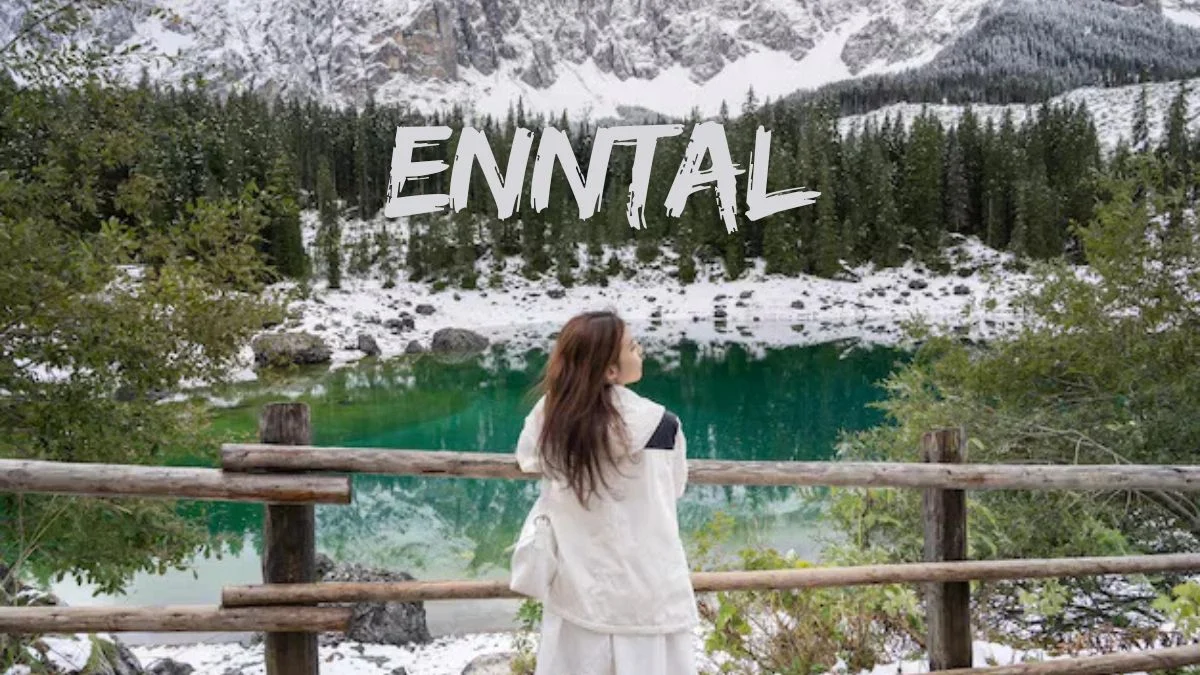
Tucked deep within the heart of the Austrian Alps, the Enntal — or Enns Valley — is a destination that likely rewards the traveler who ventures beyond the well-worn tourist trails. Stretching through the Styria and Upper Austria regions, this breathtaking river valley offers a compelling blend of dramatic mountain scenery, pristine wilderness, and authentic Alpine culture.
Whether you are a seasoned hiker, a cultural explorer, or simply someone searching for a slower, more intentional travel experience, the Enntal could be one of Central Europe’s most rewarding escapes. This guide explores everything you need to know to plan your journey.
The Origins & Soul of the Enntal
A Valley Shaped by Time
The Enntal takes its name from the River Enns (Enns in German), one of Austria’s longest rivers, which carves a spectacular course through limestone massifs, forested slopes, and fertile meadows. The valley has been settled for millennia — traces of Celtic habitation and Roman influence suggest that its strategic position and natural resources made it valuable long before the age of modern tourism.
Over centuries, the valley’s character evolved through the influence of monastic communities, salt-trade routes, and the slow rhythm of Alpine farming life. Towns like Admont, Hieflau, and Altenmarkt an der Enns each carry layers of this history, offering visitors a living archive of Central European heritage.
The Emotional Landscape of Enntal
What sets the Enntal apart from more commercialized Alpine destinations is its sense of unhurried authenticity. Local communities here appear to have maintained a deep stewardship of their environment — the forests are managed with traditional forestry techniques, the meadows bloom with wildflowers in spring, and the sound of cowbells drifting across the valley floor remains a genuine, un-staged experience.
For many visitors, arriving in the Enntal feels less like stepping into a tourist attraction and more like being welcomed into a way of life.
Scenic Landscapes & Natural Highlights
From a geomorphological perspective, the Enntal sits within one of Austria’s most diverse landscape corridors. The valley is flanked on multiple sides by the Northern Limestone Alps, creating dramatic topographic transitions — from the near-vertical walls of the Gesäuse gorge to the rolling pastoral landscapes near Rottenmann.
Key Natural Attractions
- Gesäuse National Park — A UNESCO-recognized landscape likely considered one of Austria’s wildest alpine environments, featuring sheer rock faces, old-growth forests, and the thundering rapids of the Enns River.
- Admont Abbey & Nature Park — Home to what is described as the world’s largest monastic library; the surrounding nature park offers trails through old beech forests.
- Ötscher-Tormäuer Nature Park (nearby) — Accessible from the lower Enntal region, this park features dramatic gorge hiking with near-mythical atmosphere.
- Pyhrn-Priel Region — The broader Enntal corridor connects to this popular area, known for ski resorts, alpine pastures, and summer hiking networks.
- Tamischbachturm & Hochtor — Prominent peaks visible from the valley floor, frequently targeted by experienced alpinists and trail runners.
The Enntal 7-Step Exploration Framework
To help travelers experience the Enntal with depth and intentionality, consider the following structured approach — what we might call the “Enntal 7-Step Method” — designed to sequence your visit for maximum geographic, cultural, and experiential value.
| Step | Focus Area | Recommended Duration |
| 1 | Arrive via Liezen or Hieflau — orient in the valley | Half day |
| 2 | Visit Gesäuse NP — gorge walk + river viewpoints | Full day |
| 3 | Explore Admont Abbey & library | Half day |
| 4 | Drive or cycle the Enns Valley panorama route | Full day |
| 5 | Ascend to an alpine hut (Almhütte) for overnight stay | 1–2 nights |
| 6 | Engage with local markets or cultural events | Half day |
| 7 | Depart via Steyr or Salzburg — scenic road option | Half day |
This itinerary is adaptable depending on fitness, season, and interests. Research indicates that travelers who allow at least 4–5 days in the valley report significantly richer experiences than those passing through in a single day.
Outdoor Activities & Thrills in the Enntal
Hiking & Mountaineering
The Enntal is arguably one of the most rewarding hiking corridors in the Eastern Alps. Trails range from gentle valley-floor walks suitable for families to multi-day high-alpine routes that challenge experienced alpinists. The Gesäuse region alone reportedly maintains over 200 km of marked trails.
- Via Ferrata (Klettersteig) routes on the Hochtor massif
- Long-distance E4 European Hiking Trail passes through the region
- Guided glacier tours in proximity to the Dachstein plateau (approx. 60 km)
Water Sports & River Activities
The Enns River offers some of Austria’s most exciting whitewater conditions. From spring snowmelt through early summer, the river’s flow likely supports kayaking, rafting, and stand-up paddleboarding at various difficulty grades.
- Class III–IV whitewater sections through the Gesäuse gorge
- Calmer stretches near Admont suitable for canoes and SUP
- Fly-fishing in designated zones — the Enns is a noted salmonid river
Winter Sports
In winter, the Enntal transforms into a quieter but equally compelling destination. Ski areas at Hinterstoder and Wurzeralm are accessible from the valley, while cross-country skiing (Langlauf) trails wind through the lower meadowlands.
- Downhill skiing at Hinterstoder — reportedly 40+ km of pistes
- Ice climbing on frozen waterfalls near Gesäuse
- Snowshoeing routes through the Admont Nature Park
Community, Culture & Local Collaboration
One of the Enntal’s most distinctive qualities is the strength of its community identity. Local residents, farmers, innkeepers, and trail associations appear to work in close coordination to maintain the valley’s character — a relationship that could be described as a living form of environmental stewardship.
How Visitors Can Engage
Travelers are increasingly finding meaningful ways to integrate with local life rather than simply passing through:
- Farm stays (Urlaub am Bauernhof) — several certified farms in the valley accept guests and offer hands-on agricultural experiences
- Volunteer trail maintenance programs through the Austrian Alpine Club (Österreichischer Alpenverein)
- Cultural workshops at local craftspeople studios, including woodworking and traditional textile arts
- Participation in seasonal festivals — the Almabtrieb (cattle drives) in autumn are particularly atmospheric
Community-driven tourism initiatives in the Enntal region are likely contributing to a more sustainable economic model than mass-market Alpine resorts, though formal impact data may vary by source.
Practical Travel Information
| Category | Details |
| Best Time to Visit | May–October (hiking); December–March (winter sports) |
| Getting There | Train to Admont or Liezen; car via A9 Pyhrn Autobahn |
| Accommodation | Guesthouses, alpine huts, farm stays, a few boutique hotels |
| Language | German (Austrian dialect); English spoken in tourist areas |
| Currency | Euro (EUR) |
| Avg. Summer Temp | 16–22°C (61–72°F) |
| Entry Requirements | Schengen Area rules apply for non-EU visitors |
Enntal Visitor Checklist
- Research trail conditions and seasonal access before departure
- Book accommodation early (July–August fills quickly)
- Carry a detailed topographic map (Kompass or Alpenverein)
- Register with local alpine rescue if attempting technical routes
- Pack layers — alpine weather changes rapidly in the Enntal
- Visit at least one local Heuriger (wine tavern) or Gasthaus for authentic cuisine
- Support local guides and businesses rather than international chains