
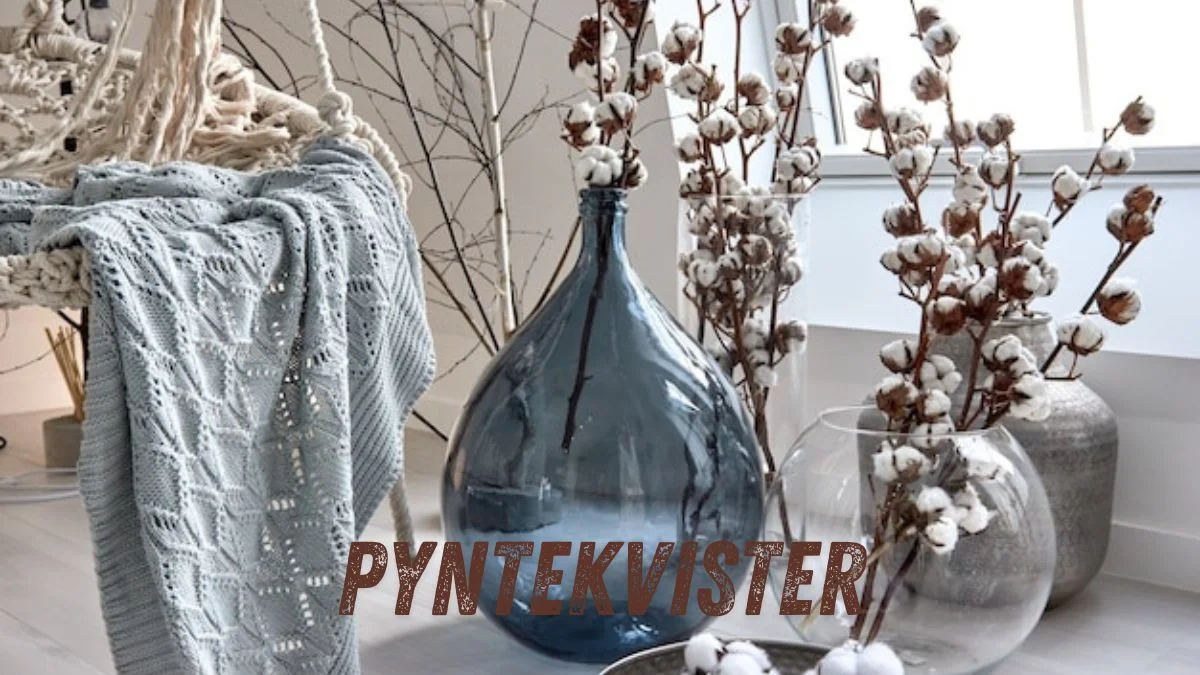
Whether you are redesigning a living room or simply seeking a fresh seasonal accent, pyntekvister — the Scandinavian art of decorative branch styling — likely offer one of the most versatile and sustainably minded approaches in contemporary interior design.
This guide explores everything from the cultural roots of the tradition to a practical seven-step framework, current trend data, and a community-driven perspective that makes pyntekvister both accessible and deeply personal.
Origins and Cultural Meaning of Pyntekvister
The word pyntekvister is Norwegian, translating loosely to ‘decorative branches’ or ‘ornamental twigs.’ Rooted in the broader Scandinavian tradition of bringing natural elements indoors — a philosophy often associated with the concept of friluftsliv (open-air living) — pyntekvister evolved as a way to maintain a connection with nature throughout the long Nordic winters.
Historically, branches were gathered from birch, willow, and cherry trees during early spring, placed in water indoors, and allowed to bud naturally. This practice, sometimes called ‘forcing branches,’ was likely both a practical and symbolic act: a visual promise of spring warmth returning.
Today, the tradition has expanded well beyond its Scandinavian origins. Interior designers across Europe and North America have adopted pyntekvister as a cornerstone of biophilic design — the philosophy that human wellbeing is intrinsically linked to the presence of natural elements in living spaces.
Why Pyntekvister Are Trending in 2025-2026
Several converging design and cultural forces appear to be driving renewed interest in pyntekvister heading into 2026.
| Trend Driver | Likely Impact | Design Context |
| Biophilic design growth | High | Nature-led interiors dominate forecasts |
| Sustainability focus | High | Zero-waste decor alternatives gaining ground |
| Japandi aesthetic | Medium-High | Wabi-sabi + Nordic minimalism overlap |
| Social media visibility | Medium | DIY branch decor widely shared on Pinterest/Instagram |
| Seasonal living movement | Medium | Cyclical, intentional decorating gaining followers |
Research in interior design trends indicates that consumers are increasingly drawn to decor solutions that are both aesthetically grounded and environmentally responsible. Pyntekvister likely sits at this intersection — it could be considered the antithesis of fast decor.
Types of Pyntekvister: A Visual Taxonomy
1. Flowering Branches (Blomsterkvister)
Cherry, apple, forsythia, and magnolia branches are among the most popular choices. When cut in late winter and placed in warm water, they typically bloom indoors within two to three weeks. This technique is particularly valued for its ability to simulate seasonal transitions in controlled indoor environments.
2. Bare or Sculptural Branches (Nakne Kvister)
Birch, alder, and contorted hazel branches are commonly used for their architectural quality. Stripped of bark or left natural, these branches are often displayed in tall floor vases and may be left bare, painted, or adorned with hanging ornaments.
3. Foliage Branches (Løvkvister)
Eucalyptus, olive, and huckleberry branches offer rich foliage textures. These varieties tend to be longer-lasting and are frequently used in Nordic Christmas and Advent arrangements, as well as year-round in minimalist decor schemes.
4. Dried and Preserved Branches
Dried pampas, lunaria (honesty plant), and seed-pod branches are a growing subset of pyntekvister styling. Preservation techniques using glycerine solutions or silica gel allow branches to retain structure and color for months, making them a low-maintenance and potentially more sustainable option.
The Pyntekvister 7-Step Styling Method
The following framework — developed from widely practised Nordic interior styling principles — may help both beginners and experienced decorators achieve cohesive, intentional branch arrangements:
- Select seasonally appropriate branch species based on your climate zone and the desired visual effect (flowering, architectural, or foliage-rich).
- Assess vessel proportion. As a general rule of thumb, the branch arrangement is likely to appear most balanced when it reaches approximately 1.5 to 2 times the height of its container.
- Prepare the branches. Cut stems at a 45-degree angle and, for flowering varieties, make a vertical split 2-3 cm upward from the base to maximise water uptake.
- Condition in water before display. Allowing branches to hydrate in a cool, dark space for 12-24 hours could improve longevity and bloom quality.
- Choose your colour narrative. Consider whether your arrangement is meant to contrast with the room’s palette (e.g., white birch against a dark wall) or harmonise with it (e.g., olive branches alongside warm terracotta tones).
- Layer with intention. Mixing three to five branch types of varying heights and textures tends to produce a more naturalistic, less engineered aesthetic — a core principle of Scandinavian styling.
- Rotate and refresh. Changing your pyntekvister arrangement monthly or seasonally, rather than replacing decor wholesale, is one way to align with a more mindful, cyclical approach to interior styling.
Styling Pyntekvister by Room and Season
| Room / Season | Recommended Branch Type | Suggested Vessel | Key Styling Note |
| Living room / Autumn | Contorted hazel, dried seed pods | Tall ceramic floor vase | Let branches extend asymmetrically |
| Bedroom / Spring | Flowering cherry or apple | Slim glass cylinder | Keep sparse; 3-5 stems typically sufficient |
| Hallway / Winter | Bare birch with white paint | Dark stoneware jar | Hang small ornaments for a festive touch |
| Kitchen / Year-round | Eucalyptus or herb branches | Terracotta pot or jug | Functional decor; aromatic choice |
| Home office / Autumn | Olive branch with dried leaves | Woven basket with liner | Grounds the workspace visually |
Community and the Pyntekvister Movement
One of the most compelling aspects of modern pyntekvister culture is its community dimension. What was once a localised, household practice has evolved into a vibrant international community of decorators, foragers, and sustainability advocates.
Online communities on platforms such as Pinterest, Instagram, and dedicated Nordic design forums regularly share sourcing guides, regional foraging tips, and seasonal arrangement ideas. Hashtags such as #pyntekvister, #nordicinterior, and #greenstylelife collectively attract hundreds of thousands of posts annually, suggesting a broad and growing audience.
Some practitioners report that the act of foraging their own branches — whether from a garden, local park (where permitted), or managed woodland — adds a layer of intentionality and personal meaning to the practice. From a conceptual perspective, this foraging dimension connects pyntekvister to broader conversations around urban nature access, slow living, and place-based identity.
Community workshops focused on pyntekvister styling are beginning to appear in Scandinavian design stores, botanical gardens, and lifestyle studios across the UK, Germany, and the Netherlands. These in-person experiences appear to complement the online community rather than replace it.
Sustainability Considerations in Pyntekvister Styling
From a sustainability standpoint, pyntekvister likely offers several meaningful advantages over conventional decorative products:
- Biodegradable and compostable at end of life
- Can often be sourced locally or from one’s own garden, reducing transport emissions
- Dried and preserved arrangements may offer multi-season use, reducing replacement frequency
- No plastic components required in traditional styling
- Branch forcing (indoor blooming) is a zero-waste alternative to cut flower arrangements
It is worth noting, however, that ethical foraging practice requires awareness of local conservation rules, protected species legislation, and private land rights. When in doubt, purchasing branches from certified sustainable floriculture suppliers is advisable.
Quick-Start Checklist: Your First Pyntekvister Arrangement
Use this checklist to prepare your first or next arrangement:
- Identify your seasonal focus and room setting
- Select one to three compatible branch species
- Source branches ethically (garden, market, or certified supplier)
- Cut stems at 45 degrees and condition in water for 12-24 hours
- Choose a vessel proportionate to your branch height (1.5x-2x rule)
- Arrange using odd numbers for visual balance
- Style in layers, varying height and texture
- Photograph and share your arrangement with the pyntekvister community
- Schedule a refresh or rotation within 4-6 weeks