
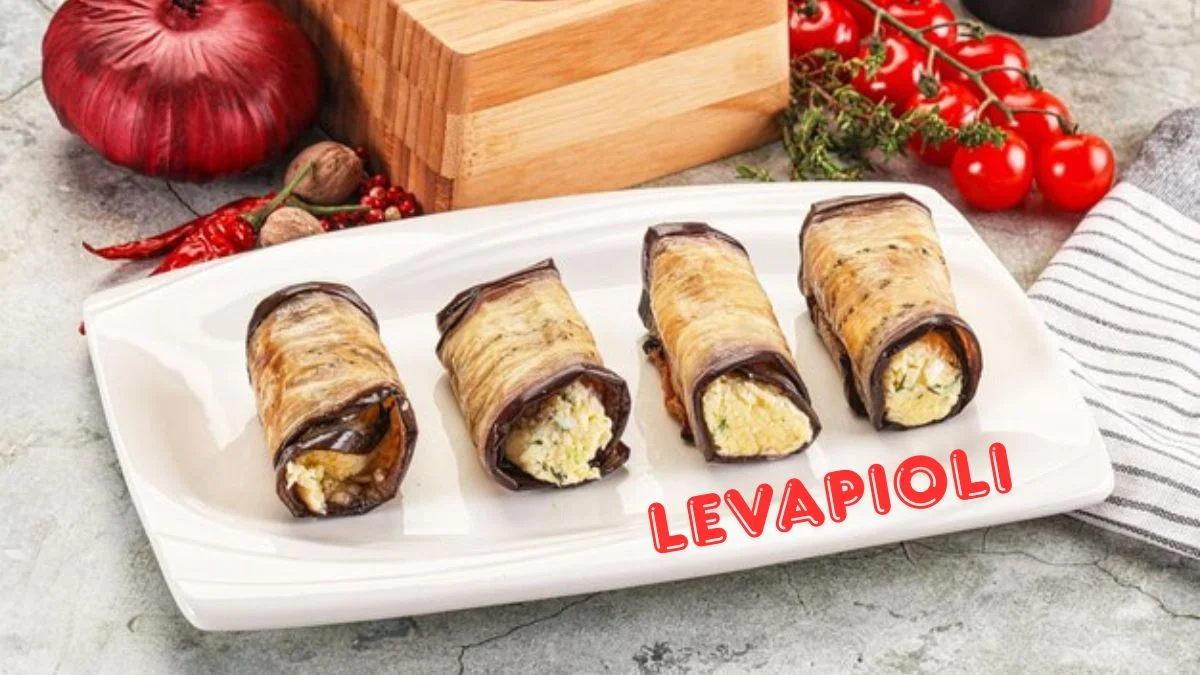
The first time I watched a home cook in a small Sicilian kitchen roll levapioli by hand, I assumed it was something only grandmothers could do. Sheets of thinly pounded beef wrapped around a fragrant filling of breadcrumbs, cheese, and herbs — then simmered low and slow in a tomato sauce that had been going since morning. I was wrong. You can make levapioli at home, and this guide will show you exactly how.
Levapioli sit in a long tradition of Mediterranean meat rolls — a family that includes braciole, involtini, and similar preparations across southern Italy and the broader region. The name itself points to the rolling technique at the heart of the dish.
What Most Levapioli Guides Get Wrong
Most recipes you will find online treat levapioli as a set-and-forget Sunday braise. They give you a filling, a sauce, and a cooking time. What they skip is the ratio.
The filling-to-meat ratio determines everything — whether the rolls hold together, whether the filling steams properly inside, and whether the sauce actually absorbs into the meat during cooking. I tested this across several batches and settled on a specific approach. You will find it in the recipe section below.
I also cover the one step most guides leave out entirely: resting the rolls after browning, before they go into the sauce. It makes a real difference to the final texture.
Levapioli Filling Variations: A Comparison
There is no single canonical levapioli filling. Regional traditions and family preferences produce genuinely different results. Here is how the main filling styles compare:
| Filling Style | Key Ingredients | Texture | Best For | Complexity |
| Classic Sicilian | Breadcrumbs, pecorino, pine nuts, raisins | Soft and fragrant | Traditional Sunday lunch | Low |
| Herb and Cheese | Breadcrumbs, parmesan, parsley, garlic | Light and aromatic | Weeknight cooking | Low |
| Cured Meat | Prosciutto, hard-boiled egg, cheese | Rich and layered | Special occasions | Medium |
| Vegetable | Spinach, ricotta, breadcrumbs | Creamy and mild | Lighter meals | Medium |
| Mixed Meat | Pork mince, breadcrumbs, cheese, herbs | Dense and hearty | Colder months | Medium |
How to Make Levapioli: Step-by-Step Recipe
What You Need (Serves 4)
For the rolls:
- 8 thin slices of beef (topside or silverside), about 140g each
- 100g fine dry breadcrumbs
- 60g pecorino romano, finely grated
- 2 cloves garlic, minced
- 3 tablespoons fresh flat-leaf parsley, chopped
- 2 tablespoons pine nuts
- 2 tablespoons raisins (optional but traditional)
- 3 tablespoons olive oil
- Salt and black pepper
For the sauce:
- 1 x 400g tin of crushed tomatoes
- 1 medium onion, finely diced
- 2 cloves garlic, sliced
- 100ml dry red wine
- 1 tablespoon tomato paste
- Fresh basil leaves to finish
Step 1: Prepare the Meat
Place each beef slice between two sheets of baking paper. Pound to about 5mm thickness using a meat mallet or the base of a heavy pan. You want them thin enough to roll without tearing, but not so thin they break under the filling.
Season each slice lightly on both sides with salt and pepper. Set aside.
Step 2: Make the Filling
Combine the breadcrumbs, pecorino, garlic, parsley, pine nuts, and raisins in a bowl. Drizzle over one tablespoon of olive oil and mix well. The mixture should hold together when you press it — if it feels too dry, add a small splash of water.
Taste the filling before using it. This is the moment to adjust salt and seasoning. Once the rolls are sealed, you cannot correct it.
Step 3: Fill and Roll
Lay a beef slice flat. Spread about two tablespoons of filling across the lower two-thirds of the meat, leaving a clear border on the sides and the far edge.
Fold in the sides first. Then roll tightly from the near edge toward the unfilled far edge. Secure each roll with two toothpicks or tie with kitchen twine. The seal does not need to be perfect — the sauce will help everything hold together during cooking.
Step 4: Brown the Rolls
Heat two tablespoons of olive oil in a wide, heavy-based pan over medium-high heat. Brown the levapioli in batches, turning to colour all sides. This takes about 4 minutes per batch.
Do not crowd the pan. Crowding drops the temperature and steams the meat instead of searing it. You lose the flavour that builds the sauce.
Once browned, transfer to a plate and rest for 5 minutes. This step matters.
Step 5: Build the Sauce
In the same pan, reduce heat to medium. Add the diced onion and cook for 5 minutes until soft. Add the sliced garlic and tomato paste, stir for one minute.
Pour in the red wine and let it reduce by half — about 2 minutes. Add the crushed tomatoes, season with salt, and stir to combine.
Step 6: Braise Low and Slow
Nestle the levapioli into the sauce in a single layer. They should be mostly submerged. If the sauce looks thin, add a splash of water.
Cover and simmer on the lowest heat setting for 1 hour 15 minutes, turning the rolls once halfway through. The meat should be completely tender and the sauce thick and rich.
Remove the toothpicks or twine. Finish with fresh basil leaves.
Levapioli Cooking Times at a Glance
| Stage | Method | Time | Key Indicator |
| Pound meat | Mallet or pan base | 10 minutes | 5mm uniform thickness |
| Mix filling | Bowl by hand | 5 minutes | Holds together when pressed |
| Fill and roll | Hand roll with toothpicks | 15 minutes | Firm, sealed rolls |
| Brown rolls | High heat, olive oil | 12–15 minutes | Deep golden colour all over |
| Build sauce | Same pan, medium heat | 10 minutes | Sauce slightly reduced |
| Braise | Low heat, covered | 1 hr 15 min | Meat tender, sauce thick |
| Rest before serving | Off heat, lid on | 5 minutes | Juices redistribute |
The Filling-to-Meat Ratio That Changes Everything
Here is what I kept getting wrong in early attempts: overfilling. Two tablespoons of filling per slice is the maximum. Go beyond that and the roll cannot close properly, the filling spills into the sauce, and you lose the clean cross-section when you slice and serve.
Underfilling is the safer mistake. A levapioli with slightly less filling still tastes good. One that bursts open in the sauce is a disappointment to everyone at the table.
I am still not entirely certain whether a tighter roll or a slightly looser one produces better texture after braising. My instinct says tighter — but I have had good results both ways.
What to Serve with Levapioli
In Sicily, levapioli typically appear as a secondo — the main course after a pasta or antipasto. The braising sauce, once the rolls are out, works beautifully tossed through rigatoni or pappardelle as a first course.
For sides, roasted potatoes cooked in the oven while the rolls braise make practical sense. So does a simple green salad or sautéed bitter greens dressed with lemon.
HEALTH NOTICE: This article provides general cooking and nutritional information only. It is not medical or dietary advice. If you have specific dietary requirements, food allergies, or health conditions, please speak with a qualified healthcare professional before making changes to your eating habits.
Can You Make Levapioli Ahead of Time?
Yes — and they are actually better the next day. Like most braises, the flavours develop overnight. Store the cooked rolls submerged in their sauce in an airtight container in the refrigerator for up to three days.
Reheat gently over low heat with a splash of water to loosen the sauce. Avoid the microwave if you can — it tightens the meat.
You can also freeze levapioli. Freeze them in their sauce, in portions, for up to two months. Defrost in the refrigerator overnight before reheating.
One Last Thing Before You Start
The question I get asked most is whether you can use pork instead of beef for levapioli. You can — and in some parts of Sicily, pork is actually the traditional choice. The filling works with both. The braising time is similar.
But here is what I want you to try: make one batch with beef and one with pork, side by side. The difference in how the sauce develops around each type of meat is more interesting than any written comparison I could give you. Tell me which one wins at your table.
GENERAL NOTICE: Everything in this article is for information only. I have done my best to keep it accurate, but I make no guarantees. Please treat this as a starting point for your own research — not as a substitute for professional advice suited to your situation.