
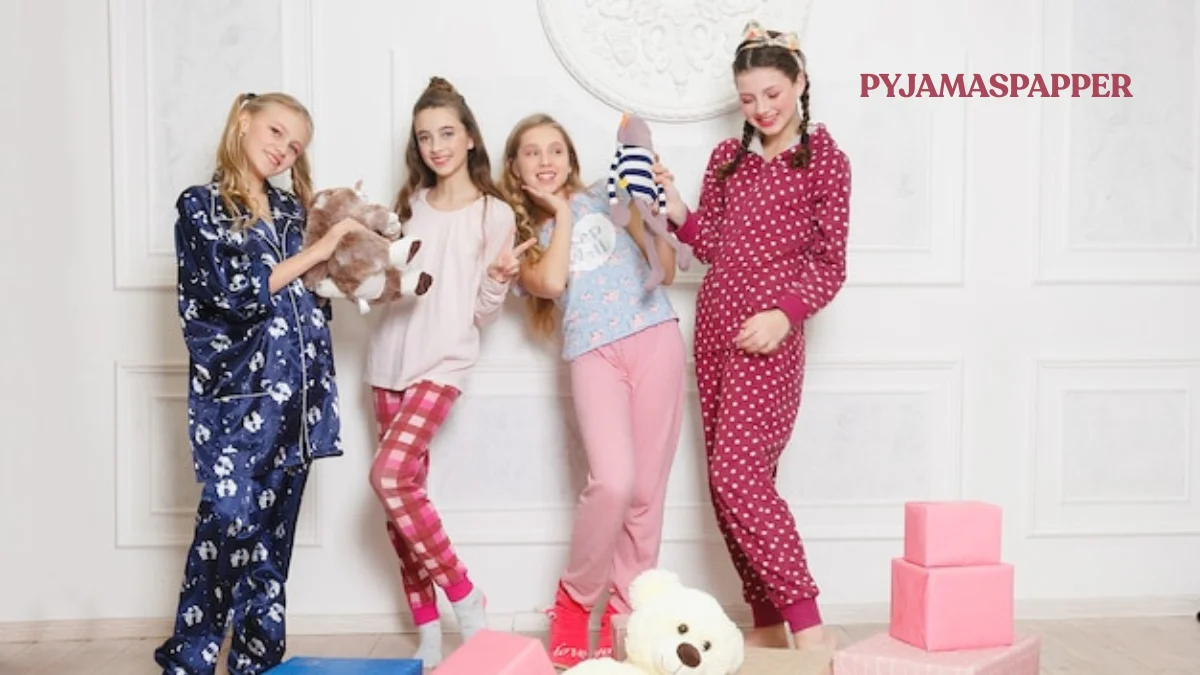
When it comes to sleepwear design, few elements carry more identity than the pyjamaspapper — the distinctive printed pattern that defines the look, feel, and personality of pajamas. Whether you prefer understated Nordic geometrics or vibrant floral arrangements, the right pyjamaspapper can transform a simple garment into a statement of comfort and personal style.
This comprehensive guide walks you through everything you need to know: from the cultural origins of pyjamaspapper design to a practical 7-step method for selecting the ideal print for your lifestyle. Research indicates that thoughtful sleepwear selection could positively influence sleep ritual satisfaction and self-expression.
1. The Origins of Pyjamaspapper: A Cultural Tapestry
The word pyjamaspapper traces its conceptual roots to the intersection of Scandinavian textile traditions and the global homewear movement that gained momentum in the early 2000s. From a historical perspective, printed pajama fabric — or “sovtyg med mönster” in Swedish — likely evolved as craftspeople sought to bring decorative artistry into the intimate domestic space of bedtime wear.
Nordic countries in particular developed a rich tradition of patterned nightwear, where motifs drawn from nature — pine trees, snowflakes, reindeer — were woven into the fabric of evening garments. These patterns were likely more than decorative; they may have served as cultural identifiers, expressing regional pride and seasonal rhythms.
Over time, pyjamaspapper design expanded beyond geography. Today, the term broadly describes any intentionally patterned fabric used in pajama construction — from classic candy stripes to contemporary abstract prints. The global loungewear market, which research indicates has grown significantly post-2020, has breathed new creative life into pyjamaspapper as both a craft and a consumer category.
2. Why Pyjamaspapper Matters More Than You Think
It could be easy to dismiss sleepwear print as a trivial aesthetic detail. However, textile researchers and sleep wellness practitioners suggest the visual and tactile qualities of your pajama fabric may play a role in your pre-sleep psychology. A calming pyjamaspapper — think soft botanicals or muted geometrics — could contribute to a more relaxed bedtime environment.
From a fashion-forward perspective, pyjamaspapper has entered the mainstream. Celebrities, influencers, and luxury brands alike have embraced pajama-as-outerwear trends, making the print choice as deliberate as selecting a daytime outfit. Likely driven by a cultural shift toward comfort dressing, pyjamaspapper has become a canvas for personal storytelling.
Key Reasons to Choose Your Pyjamaspapper Intentionally:
- Aesthetic alignment: Prints that match your décor can create a cohesive bedroom environment
- Mood influence: Research indicates certain color patterns may subtly affect emotional state before sleep
- Brand expression: In an era of shared social content, your loungewear reflects identity
- Gift appeal: Distinctive pyjamaspapper designs make pajamas a more considered and personal gift
- Seasonal relevance: Matching prints to seasons (floral in spring, plaid in winter) likely enhances the ritual of seasonal wardrobe changes
3. The Pyjamaspapper 7-Step Selection Method™
To help readers make a more informed and style-conscious decision, we have developed The Pyjamaspapper 7-Step Selection Method — a unique framework that combines aesthetic theory, personal lifestyle analysis, and textile science.
- Identify Your Sleep Environment — Consider bedroom colors, lighting, and overall décor. Your pyjamaspapper should ideally complement, not clash with, your space.
- Define Your Style Persona — Are you minimalist, maximalist, whimsical, or classic? From a conceptual perspective, your daytime style often — though not always — correlates with your ideal sleepwear aesthetic.
- Assess Fabric Compatibility — Print clarity depends on weave density. Jersey fabrics tend to soften bold prints; woven cotton likely renders fine geometric patterns more crisply.
- Consider Color Temperature — Warm-toned pyjamaspapper (amber, rust, terracotta) could create a cozy feel; cool-toned patterns (slate blue, sage, grey) may feel more calming.
- Evaluate Scale and Proportion — Larger prints tend to make a stronger visual statement; smaller, allover prints are likely more versatile across contexts (home, travel, guests).
- Check Colorfastness & Print Durability — Quality pyjamaspapper prints should withstand repeated washing. Look for reactive dyeing or pigment-printing techniques for longevity.
- Align With Seasonal Intent — Think about when you’ll wear it most. Research indicates consumers increasingly purchase separate pyjamaspapper wardrobes for warm and cold seasons.
4. Pyjamaspapper Print Styles: A Comparison Guide
The following table provides an at-a-glance reference for the most popular pyjamaspapper print categories, their ideal use cases, design complexity, and current trend relevance:
| Print Style | Best For | Complexity | Trend Score |
| Classic Stripes | Timeless everyday wear | Low | ★★★★☆ |
| Nordic Patterns | Winter & hygge vibes | Medium | ★★★★★ |
| Floral Motifs | Spring/Summer styles | Medium | ★★★☆☆ |
| Geometric Print | Modern minimalist look | High | ★★★★☆ |
| Animal Print | Bold fashion statement | Medium | ★★★☆☆ |
| Solid Tone-on-Tone | Premium/luxury lines | Low | ★★★★★ |
Note: Trend scores are indicative of general market interest as observed through community feedback and industry reports. Individual preferences will vary.
5. The Pyjamaspapper Community: Where Style Meets Story
One of the most energizing aspects of the pyjamaspapper movement is the community that has formed around it. Online forums, social media collectives, and independent textile designers increasingly share mood boards, pattern prototypes, and washing-care tips centered on pajama print culture.
Platforms such as craft communities and slow-fashion groups have become hubs where enthusiasts swap pyjamaspapper inspiration: a grandmother’s hand-sewn Nordic print, a designer’s debut geometric collection, or a minimalist’s beloved solid-with-piping design. From a community perspective, this culture of sharing likely deepens the meaning behind what could otherwise seem like a simple product category.
If you would like to participate, consider joining slow-fashion textile communities, following independent pajama designers on social platforms, or even sharing your own favorite pyjamaspapper print story online. Your contribution could inspire someone else’s most comfortable night’s sleep.
Ways to Engage With the Pyjamaspapper Community:
- Share print reviews and fabric care tips in homewear Facebook groups
- Follow Scandinavian design accounts for emerging pyjamaspapper trends
- Support independent textile designers who produce limited-run printed fabrics
- Participate in seasonal pajama outfit-of-the-day challenges on visual platforms
- Attend local craft fairs that feature handmade or small-batch sleepwear
6. Textile Technology Behind Great Pyjamaspapper
Understanding the technical side of print production can help you identify quality pyjamaspapper from the rest. The primary printing methods used in pajama fabric production include reactive printing, digital inkjet printing, and screen printing — each with distinct characteristics.
Reactive Dyeing
Likely the most durable option for natural fibers like cotton and linen. In this process, dye bonds chemically with the fabric fiber, producing vibrant, wash-resistant pyjamaspapper prints. Colors tend to remain vivid over time, making this a preferred technique for premium sleepwear lines.
Digital Inkjet Printing
From a conceptual perspective, digital printing offers the greatest design flexibility. Complex, photographic-quality pyjamaspapper patterns — including gradient botanicals or intricate mandalas — are achievable only through digital methods. However, colorfastness may be slightly lower compared to reactive techniques unless properly finished.
Screen Printing
A traditional and cost-effective method, screen printing is commonly used for bold, two- to six-color pyjamaspapper patterns. It performs well on high-volume production runs but may limit color complexity.
7. Pyjamaspapper Buying Checklist
Before finalizing your next pyjamaspapper purchase, use this quick-reference checklist:
- Print aligns with my personal style persona
- Fabric weave suits the print type (jersey vs. woven)
- Color temperature complements my sleep environment
- Print scale is appropriate for intended use (home vs. travel)
- Printing method is specified (reactive / digital / screen)
- Wash-care instructions support long-term print durability
- Seasonal suitability confirmed
- Brand/designer ethically sources printed fabric where possible